Xiphoid in Dogs: A Vet’s Guide to That Strange Chest Bump
Discovering an unexpected bump on your dog’s chest can be a worrying experience. Often, this small, firm lump located at the base of the chest cavity is simply the xiphoid process. A thorough physical examination by a qualified veterinarian is the best way to confirm the nature of this structure. This guide will help you understand the normal anatomy of the xiphoid in dogs, offering reassurance and explaining when a professional consultation is truly necessary.
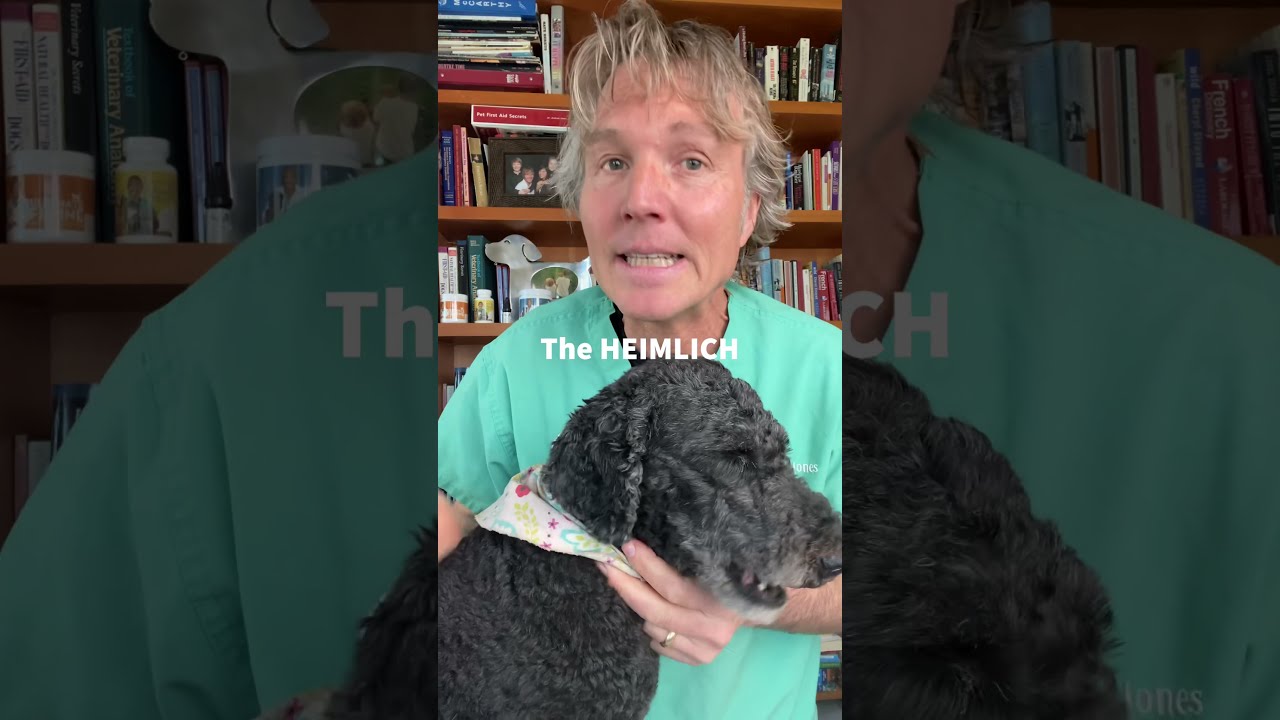
Image taken from the YouTube channel Veterinary Secrets , from the video titled Dog Choking? How To Do The Dog Heimlich #Shorts .
Xiphoid in Dogs: A Vet’s Guide to That Strange Chest Bump
Discovering a new lump or bump on your dog can be a frightening experience. Your mind might immediately jump to the worst-case scenario. However, if the bump you’re feeling is hard, located at the very bottom of your dog’s chest right where the ribs end, you may have just found a completely normal part of their anatomy: the xiphoid process.
This guide will walk you through what the xiphoid in dogs is, why you might suddenly be able to feel it, and how to tell the difference between this normal structure and a lump that requires a veterinarian’s attention.
What Exactly is the Xiphoid in Dogs?
To understand the xiphoid, it helps to know a little about your dog’s chest structure. The xiphoid (pronounced "zi-foyd") is a small piece of cartilage and bone that forms the rearmost part of the sternum, or breastbone.
Anatomy 101: Your Dog’s Sternum
Think of your dog’s sternum as a long, multi-segmented bone running down the center of their chest, connecting the ribs. The xiphoid is the final, pointed segment at the very end.
- Composition: In puppies and young dogs, the xiphoid is primarily flexible cartilage. As a dog ages, this cartilage gradually hardens into bone (a process called ossification), which can make it feel more prominent.
- Location: It’s located at the base of the rib cage, just before the soft abdomen begins. It points away from the head, towards the tail.
- Function: It serves as an attachment point for the diaphragm and abdominal muscles.
Why Can I Suddenly Feel My Dog’s Xiphoid?
Many owners become concerned because they don’t remember feeling this bump before. There are several common and perfectly normal reasons why the xiphoid might suddenly seem more noticeable.
- Age: As a puppy grows, its body changes. The hardening of the xiphoid cartilage can make it feel more distinct than it did when they were younger and softer.
- Weight Loss: If your dog has recently lost weight, there is less of a fat pad covering the chest and abdomen. This reduction in tissue can make the underlying bone structure, including the xiphoid, much easier to feel.
- Breed and Body Type: Lean, deep-chested breeds like Greyhounds, Whippets, Vizslas, and Dobermans often have a very prominent xiphoid due to their low body fat and conformation.
- Positioning: Sometimes, you’ll only feel the bump when your dog is lying or sitting in a specific position that causes the xiphoid to protrude slightly.
Is It the Xiphoid or Something Else? When to See a Vet
This is the most critical question for any concerned pet owner. While a prominent xiphoid is normal, you should never ignore a new lump. The table below helps outline the key differences between a normal xiphoid process and a potentially abnormal lump.
| Symptom / Observation | Likely a Normal Xiphoid | When to Be Concerned (Consult a Vet) |
|---|---|---|
| Location | Perfectly centered at the bottom of the sternum. It feels fixed to the rib cage. | Located off-center, on the side, or in the soft tissue of the belly. |
| Feel & Texture | Firm, smooth, and feels like bone or hard cartilage. | Soft, squishy, fluid-filled, lumpy, or has an irregular surface. |
| Mobility | It does not move independently; it moves only with the entire rib cage. | The lump moves freely under the skin, or seems attached to the skin itself. |
| Changes Over Time | Remains the same size and shape. | The lump grows, changes shape, or new lumps appear nearby. |
| Your Dog’s Reaction | Your dog is not bothered when you touch it. They are eating, drinking, and acting normally. | Your dog shows pain, whimpers when you touch the area, or is lethargic, vomiting, or has a poor appetite. |
| Skin Appearance | The skin over the area looks completely normal. | The skin over the lump is red, bruised, irritated, or has lost hair. |
The Golden Rule: When in doubt, always have it checked out. It is always better to have a vet confirm that a lump is a normal anatomical feature than to ignore a potentially serious problem.
Common Causes for Abnormal Lumps in the Chest Area
If the characteristics in the "When to Be Concerned" column sound familiar, it’s important to schedule a vet visit. Your veterinarian can determine if the lump is one of several other possibilities, such as:
- Lipoma: A very common, benign (non-cancerous) fatty tumor that is usually soft and moveable under the skin.
- Cyst: A sac filled with fluid or semi-solid material.
- Abscess: A painful, swollen pocket of pus, usually resulting from an infection or a penetrating wound.
- Hernia: A condition where internal organs or tissue push through a weak spot in the abdominal wall.
- Tumor: This can include a range of growths, both benign and malignant (like a mast cell tumor). Early detection is key.
What to Expect at the Vet Appointment
If you decide to see your vet, they will follow a clear process to identify the lump. Knowing what to expect can help ease any anxiety.
- Physical Examination: The vet will carefully feel the lump, assessing its size, location, texture, and mobility, just as you did at home. For many cases of a prominent xiphoid, this is all that’s needed for a diagnosis.
- Fine Needle Aspirate (FNA): If there is any uncertainty, the vet may recommend an FNA. This is a quick and minimally invasive procedure where a very thin needle is used to collect a small sample of cells from the lump. These cells are then examined under a microscope.
- Further Diagnostics: In some cases, especially if the FNA is inconclusive or suggests a more serious issue, your vet might recommend imaging tests like X-rays or an ultrasound to get a better look at the lump and the surrounding structures.
Xiphoid in Dogs: Frequently Asked Questions
These FAQs clarify some common questions about the xiphoid process in dogs and the information discussed in the main article.
Is a prominent xiphoid in dogs always a cause for concern?
Not necessarily. In some dogs, especially those that are thin or have a certain body conformation, the xiphoid process is naturally more prominent. However, any sudden change in size or tenderness should be evaluated by a veterinarian.
How is a potentially problematic xiphoid in dogs diagnosed?
A veterinarian will typically perform a physical examination and may recommend additional diagnostics like X-rays or ultrasound. These tests help determine if there is an underlying issue causing the prominence, such as inflammation or a growth.
Can my dog live a normal life with a slightly prominent xiphoid?
In most cases, yes. If the prominence is simply due to the dog’s anatomy and there are no associated symptoms like pain or discomfort, it’s unlikely to cause any problems. Regular check-ups can help monitor the xiphoid in dogs.
What are the treatment options if my dog has a painful xiphoid process?
Treatment depends on the underlying cause. If it’s inflammation, pain medication and rest may be sufficient. If a growth or other issue is identified, surgery might be necessary. Always consult your veterinarian for the best course of action for your dog’s specific situation.
Hopefully, this clears up some of the mystery surrounding that little bump on your pup’s chest. Understanding the normal xiphoid in dogs can save you a lot of worry. Give your dog an extra belly rub from us, and remember, when in doubt, always check with your vet!
