What Are Metalloids? 7 Examples and Their Surprising Uses!
Look at the device you’re using to read this. Inside that smartphone, laptop, or tablet lies a secret world powered by a group of often-overlooked elements: the unsung heroes of the Periodic Table. Welcome to the world of metalloids.
Nestled in a unique ‘stair-step’ line that separates the familiar metals from the nonmetals, these elements possess a fascinating dual identity. But their most game-changing characteristic is their status as semiconductors. This means their electrical conductivity isn’t fixed; it can be masterfully controlled through a process called doping, which is the foundational principle behind every microchip ever made.
From the heart of your computer to the cookware in your kitchen, these elements are hidden in plain sight. Prepare to discover the surprising and essential roles of the elements that bridge the gap and make our modern world possible.
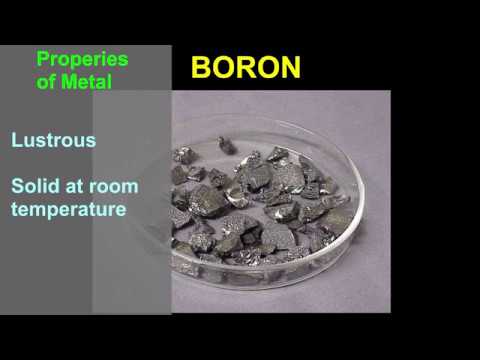
Image taken from the YouTube channel The Practical School , from the video titled Properties and Uses of Metalloids .
The vast and varied world of chemical elements offers a continuous journey of discovery, but few groups hold as much contemporary relevance as those often overlooked.
The Unsung Architects of Our Digital Age: Unveiling the Secrets of Metalloids
Imagine a class of elements that defies simple categorization, standing as crucial intermediaries in the grand tapestry of the Periodic Table. These are the metalloids, the unsung heroes whose unique characteristics bridge the gap between two vastly different families: metals and nonmetals. Far from being mere "in-betweeners," metalloids possess a fascinating blend of properties that make them indispensable to modern technology, subtly shaping our everyday lives.
Defining the Intermediates: What Are Metalloids?
At their core, metalloids are elements that exhibit properties intermediate between those of typical metals and nonmetals. Unlike metals, which are generally shiny, ductile, and excellent conductors of heat and electricity, or nonmetals, which tend to be brittle, dull, and poor conductors (insulators), metalloids often display a mix. For instance, they might have a metallic luster but be brittle like nonmetals, or conduct electricity but not as efficiently as metals.
Their Unique Position on the Periodic Table
Locating metalloids on the Periodic Table is surprisingly simple once you know where to look. They occupy a distinctive "stair-step" position, forming a diagonal line that effectively separates the highly conductive metals (found to their left) from the insulating nonmetals (found to their right). This strategic placement visually represents their intermediate nature, acting as a critical boundary where properties gradually transition. The primary metalloids typically include Boron (B), Silicon (Si), Germanium (Ge), Arsenic (As), Antimony (Sb), and Tellurium (Te), with Polonium (Po) and Astatine (At) sometimes included due to their transitional properties.
The Semiconductor Revolution: A Critical Property
Perhaps the most critical property that defines metalloids, and what truly elevates them to their "hero" status, is their ability to act as semiconductors. Unlike metals, which conduct electricity freely, or nonmetals, which block it, semiconductors can be made to conduct electricity under specific conditions. This controlled electrical conductivity is the very foundation of modern electronics. Without semiconductors, the microprocessors in your smartphone, the memory chips in your computer, and countless other digital devices simply wouldn’t exist.
The magic of semiconductors lies in how their electrical behavior can be precisely manipulated. Through a process called doping, tiny amounts of impurities are intentionally added to a metalloid like silicon. These impurities either introduce extra electrons or create "holes" where electrons are missing, thereby fine-tuning the material’s conductivity. This ability to precisely control the flow of electricity is what allows for the complex on-off switches and logic gates that power our digital world.
Metalloids in Plain Sight: Everywhere You Look
While their name might not be as common as "gold" or "oxygen," metalloids are surprisingly ubiquitous, often hidden in plain sight. Think about your smartphone: its central processing unit (CPU) and memory chips are almost certainly made from silicon. Beyond the digital realm, you’ll find them in a variety of other applications. Boron, for instance, is used in heat-resistant glass (like that in your kitchenware), while arsenic compounds are sometimes found in insecticides (though their use is increasingly restricted due to toxicity). Germanium is vital in fiber optics, and tellurium is used in rewritable CDs and DVDs. These elements, working behind the scenes, enable much of the technology and convenience we take for granted.
To better understand their unique position, let’s compare metalloids to their metallic and nonmetallic neighbors:
| Property | Metals | Metalloids | Nonmetals |
|---|---|---|---|
| Appearance | Shiny, lustrous (metallic luster) | Can be shiny or dull | Dull (no metallic luster) |
| Electrical Conductivity | Excellent conductors | Semiconductors (conduct under specific conditions) | Poor conductors (insulators) |
| Malleability | Malleable (can be hammered into sheets) & ductile (can be drawn into wires) | Brittle (cannot be easily shaped) | Brittle (shatter easily) |
| State at room temp | Solid (except Mercury, Hg) | Solid | Solid, liquid (Bromine, Br), or gas |
Having explored the foundational role of metalloids, our journey now turns to the element often considered the most influential of them all.
Our journey through the unsung heroes of the Periodic Table begins by exploring elements that, while often overlooked, quietly underpin the very fabric of our modern world.
From Sand to Silicon: Unveiling the Heart of Your Digital Life
Silicon (Si) might not be a household name like oxygen or iron, yet this remarkable element, the second most abundant in Earth’s crust after oxygen, is undeniably the cornerstone of the digital age. From the smartphones in our pockets to the supercomputers processing vast amounts of data, silicon is the silent architect powering our interconnected world.
The Backbone of the Digital World: Semiconductors
Silicon’s unparalleled importance stems from its unique properties as a semiconductor. Unlike materials that are either good conductors (like copper) or insulators (like rubber), semiconductors can control the flow of electricity under specific conditions. This controlled conductivity is precisely what makes silicon the primary material for virtually all modern electronics. It forms the very basis for integrated circuits, more commonly known as microchips, which are the "brains" of nearly every electronic device we use. Imagine intricate cities of microscopic pathways etched onto a tiny silicon wafer, each pathway guiding electricity with precision.
The Magic of Doping: Building Transistors
The true genius of silicon in electronics lies in a process called doping. Pure silicon is a relatively poor conductor, but by introducing minute amounts of other elements—such as boron or phosphorus—its electrical properties can be dramatically altered. This precise "doping" creates areas within the silicon that either have an excess of electrons (N-type silicon) or a deficit of electrons, creating "holes" (P-type silicon). When N-type and P-type silicon are combined in specific ways, they form junctions that can act as tiny, incredibly fast electronic switches called transistors. These miniature marvels, billions of which can be packed onto a single microchip, are the fundamental building blocks that power all our digital devices, allowing them to process information as binary "on" and "off" signals.
Powering Our Future: Silicon in Solar Panels
Beyond the realm of microchips, silicon plays a pivotal role in the quest for sustainable energy. Its unique ability to convert sunlight directly into electricity makes it the essential material for solar panels (photovoltaics). When photons from sunlight strike silicon atoms, they knock electrons loose, creating an electrical current. This clean energy technology is rapidly expanding, with silicon panels adorning rooftops and vast solar farms worldwide, converting the sun’s abundant energy into usable power for homes and industries.
More Than Just Electronics: Silicon’s Versatility
While its electronic applications are paramount, silicon’s utility extends far beyond the digital realm. It is a key component in silicones, a versatile class of polymers known for their heat resistance, flexibility, and waterproofing, found in everything from sealants and lubricants to medical implants and cookware. Silicon is also fundamental to the creation of glass, where it forms the primary ingredient (silica, a compound of silicon and oxygen), and it’s a vital component in various ceramics, contributing to their strength and durability. This broad spectrum of uses truly showcases silicon’s remarkable versatility, making it indispensable to countless aspects of modern life.
To summarize, here are some key facts about this digital king:
| Property/Aspect | Detail |
| :————– | :——————————————————————————————————————————————————————————————————————————————————————————————————————————————————————————————————————————————————————————————————————————————————————————————————————————————————————————————————————————————————————————————————————————————————————————————————————————————————————————————————————————————————————————————————————————————————————————————————————————————————————————————————————————————————————————————————————————————————————————————————————————————————————————————————————————————————————————————————————————————————————————————————————————————————————————————————————————————————————————————————————————————————————————————————————————————————————————————————————————————————————————————————————————————————————————————————————————————————————————————————————————————————————————————————————————————————————————————————————————————————————————————————————————————————————————————————————————————————————————————————————————————————————————————————————————————————————————————————————————————————————————————————————————————————————————————————————————————————————————————————————————————————————————————————————————————————————————————————————————————————————————————————————————————————————————————————————————————————————————————————————————————————————————————————————————————————————————————————————————————————————————————————————————————————————————————————————————————————————————————————————————————————————————————————————————————————————————————————————————————————————————————————————————————————————————————————————————————————————————————————————————————————————————————————————————————————————————————————————————————————————————————————————————————————————————————————————————————————————————————————————————————————————————————————————————————————————————————————————————————————————————————————————————————————————————————————————————————————————————————————————————————————————————————————————————————————————————————————————————————————————————————————————————————————————————————————————————————————————————————————————————————————————————————————————————————————————————————————————————————————————————————————————————————————————————————————————————————————————————————————————————————————————————————————————————————————————————————————————————————————————————————————————————————————————————————————————————————————————————————————————————————————————————————————————————————————————————————————————————————————————————————————————————————————————————————————————————————————————————————————————————————————————————————————————————————————————————————————————————————————————————————————————————————————————————————————————————————————————————————————————————————————————————————————————————————————————————————————————————————————————————————————————————————————————————————————————————————————————————————————————————————————————————————————————————————————————————————————————————————————————————————————————————————————————————————————————————————————————————————————————————————————————————————————————————————————————————————————————————————————————————————————————————————————————————————————————————————————————————————————————————————————————————————————————————————————————————————————————————————————————————————————————————————————————————————————————————————————————————————————————————————————————————————————————————————————————————————————————————————————————————————————————————————————————————————————————————————————————————————————————————————————————————————————————————————————————————————————————————————————————————————————————————————————————————————————————————————————————————————————————————————————————————————————————————————————————————————————————————————————————————————————————————————————————————————————————————————————————————————————————————————————————————————————————————————————————————————————————————————————————————————————————————————————————————————————————————————————————————————————————————————————————————————————————————————————————————————————————————————————————————————————————————————————————————————————————————————————————————————————————————————————————————————————————————————————————————————————————————————————————————————————————————————————————————————————————————————————————————————————————————————————————————————————————————————————————————————————————————————————————————————————————————————————————————————————————————————————————————————————————————————————————————————————————————————————————————————————————————————————————————————————————————————————————————————————————————————————————————————————————————————————————————————————————————————————————————————————————————————————————————————————————————————————————————————————————————————————————————————————————————————————————————————————————————————————————————————————————————————————————————————————————————————————————————————————————————————————————————————————————————————————————————————————————————————————————————————————————————————————————————————————————————————————————————————————————————————————————————————————————————————————————————————————————————————————————————————————————————————————————————————————————————————————————————————————————————————————————————————————————————————————————————————————————————————————————————————————————————————————————————————————————————————————————————————————————————————————————————————————————————————————————————————————————————————————————————————————————————————————————————————————————————————————————————————————————————————————————————————————————————————————————————————————————————————————————————————————————————————————————————————————————————————————————————————————————————————————————————————————————————————————————————————————————————————————————————————————————————————————————————————————————————————————————————————————————————————————————————————————————————————————————————————————————————————————————————————————————————————————————————————————————————————————————————————————————————————————————————————————————————————————————————————————————————————————————————————————————————————————————————————————————————————————————————————————————————————————————————————————————————————————————————————————————————————————————————————————————————————————————————————————————————————————————————————————————————————————————————————————————————————————————————————————————————————————————————————————————————————————————————————————————————————————————————————————————————————————————————————————————————————————————————————————————————————————————————————————————————————————————————————————————————————————————————————————————————————————————————————————————————————————————————————————————————————————————————————————————————————————————————————————————————————————————————————————————————————————————————————————————————————————————————————————————————————————————————————————————————————————————————————————————————————————————————————————————————————————————————————————————————————————————————————————————————————————————————————————————————————————————————————————————————————————————————————————————————————————————————————————————————————————————————————————————————————————————————————————————————————————————————————————————————————————————————————————————————————————————————————————————————————————————————————————————————————————————————————————————————————————————————————————————————————————————————————————————————————————————————————————————————————————————————————————————————————————————————————————————————————————————————————————————————————————————————————————————————————————————————————————————————————————————————————————————————————————————————————————————————————————————————————————————————————————————————————————————————————————————————————————————————————————————————————————————————————————————————————————————————————————————————————————————————————————————————————————————————————————————————————————————————————————————————————————————————————————————————————————————————————————————————————————————————————————————————————————————————————————————————————————————————————————————————————————————————————————————————————————————————————————————————————————————————————————————————————————————————————————————————————————————————————————————————————————————————————————————————————————————————————————————————————————————————————————————————————————————————————————————————————————————————————————————————————————————————————————————————————————————————————————————————————————————————————————————————————————————————————————————————————————————————————————————————————————————————————————————————————————————————————————————————————————————————————————————————————————————————————————————————————————————————————————————————————————————————————————————————————————————————————————————————————————————————————————————————————————————————————————————————————————————————————————————————————————————————————————————————————————————————————————————————————————————————————————————————————————————————————————————————————————————————————————————————————————————————————————————————————————————————————————————————————————————————————————————————————————————————————————————————————————————————————————————————————————————————————————————————————————————————————————————————————————————————————————————————————————————————————————————————————————————————————————————————————————————————————————————————————————————————————————————————————————————————————————————————————————————————————————————————————————————————————————————————————————————————————————————————————————————————————————————————————————————————————————————————————————————————————————————————————————————————————————————————————————————————————————————————————————————————————————————————————————————————————————————————————————————————————————————————————————————————————————————————————————————————————————————————————————————————————————————————————————————————————————————————————————————————————————————————————————————————————————————————————————————————————————————————————————————————————————————————————————————————————————————————————————————————————————————————————————————————————————————————————————————————————————————————————————————————————————————————————————————————————————————————————————————————————————————————————————————————————————————————————————————————————————————————————————————————————————————————————————————————————————————————————————————————————————————————————————————————————————————————————————————————————————————————————————————————————————————————————————————————————————————————————————————————————————————————————————————————————————————————————————————————————————————————————————————————————————————————————————————————————————————————————————————————————————————————————————————————————————————————————————————————————————————————————————————————————————————————————————————————————————————————————————————————————————————————————————————————————————————————————————————————————————————————————————————————————————————————————————————————————————————————————————————————————————————————————————————————————————————————————————————————————————————————————————————————————————————————————————————————————————————————————————————————————————————————————————————————————————————————————————————————————————————————————————————————————————————————————————————————————————————————————————————————————————————————————————————————————————————————————————————————————————————————————————————————————————————————————————————————————————————————————————————————————————————————————————————————————————————————————————————————————————————————————————————————————————————————————————————————————————————————————————————————————————————————————————————————————————————————————————————————————————————————————————————————————————————————————————————————————————————————————————————————————————————————————————————————————————————————————————————————————————————————————————————————————————————————————————————————————————————————————————————————————————————————————————————————————————————————————————————————————————————————————————————————————————————————————————————————————————————————————————————————————————————————————————————————————————————————————————————————————————————————————————————————————————————————————————————————————————————————————————————————————————————————————————————————————————————————————————————————————————————————————————————————————————————————————————————————————————————————————————————————————————————————————————————————————————————————————————————————————————————————————————————————————————————————————————————————————————————————————————————————————————————————————————————————————————————————————————————————————————————————————————————————————————————————————————————————————————————————————————————————————————————————————————————————————————————————————————————————————————————————————————————————————————————————————————————————————————————————————————————————————————————————————————————————————————————————————————————————————————————————————————————————————————————————————————————————————————————————————————————————————————————————————————————————————————————————————————————————————————————————————————————————————————————————————————————————————————————————————————————————————————————————————————————————————————————————————————————————————————————————————————————————————————————————————————————————————————————————————————————————————————————————————————————————————————————————————————————————————————————————————————————————————————————————————————————————————————————————————————————————————————————————————————————————————————————————————————————————————————————————————————————————————————————————————————————————————————————————————————————————————————————————————————————————————————————————————————————————————————————————————————————————————————————————————————————————————————————————————————————————————————————————————————————————————————————————————————————————————————————————————————————————————————————————————————————————————————————————————————————————————————————————————————————————————————————————————————————————————————————————————————————————————————————————————————————————————————————————————————————————————————————————————————————————————————————————————————————————————————————————————————————————————————————————————————————————————————————————————————————————————————————————————————————————————————————————————————————————————————————————————————————————————————————————————————————————————————————————————————————————————————————————————————————————————————————————————————————————————————————————————————————————————————————————————————————————————————————————————————————————————————————————————————————————————————————————————————————————————————————————————————————————————————————————————————————————————————————————————————————————————————————————————————————————————————————————————————————————————————————————————————————————————————————————————————————————————————————————————————————————————————————————————————————————————————————————————————————————————————————————————————————————————————————————————————————————————————————————————————————————————————————————————————————————————————————————————————————————————————————————————————————————————————————————————————————————————————————————————————————————————————————————————————————————————————————————————————————————————————————————————————————————————————————————————————————————————————————————————————————————————————————————————————————————————————————————————————————————————————————————————————————————————————————————————————————————————————————————————————————————————————————————————————————————————————————————————————————————————————————————————————————————————————————————————————————————————————————————————————————————————————————————————————————————————————————————————————————————————————————————————————————————————————————————————————————————————————————————————————————————————————————————————————————————————————————————————————————————————————————————————————————————————————————————————————————————————————————————————————————————————————————————————————————————————————————————————————————————————————————————————————————————————————————————————————————————————————————————————————————————————————————————————————————————————————————————————————————————————————————————————————————————————————————————————————————————————————————————————————————————————————————————————————————————————————————————————————————————————————————————————————————————————————————————————————————————————————————————————————————————————————————————————————————————————————————————————————————————————————————————————————————————————————————————————————————————————————————————————————————————————————————————————————————————————————————————————————————————————————————————————————————————————————————————————————————————————————————————————————————————————————————————————————————————————————————————————————————————————————————————————————————————————————————————————————————————————————————————————————————————————————————————————————————————————————————————————————————————————————————————————————————————————————————————————————————————————————————————————————————————————————————————————————————————————————————————————————————————————————————————————————————————————————————————————————————————————————————————————————————————————————————————————————————————————————————————————————————————————————————————————————————————————————————————————————————————————————————————————————————————————————————————————————————————————————————————————————————————————————————————————————————————————————————————————————————————————————————————————————————————————————————————————————————————————————————————————————————————————————————————————————————————————————————————————————————————————————————————————————————————————————————————————————————————————————————————————————————————————————————————————————————————————————————————————————————————————————————————————————————————————————————————————————————————————————————————————————————————————————————————————————————————————————————————————————————————————————————————————————————————————————————————————————————————————————————————————————————————————————————————————————————————————————————————————————————————————————————————————————————————————————————————————————————————————————————————————————————————————————————————————————————————————————————————————————————————————————————————————————————————————————————————————————————————————————————————————————————————————————————————————————————————————————————————————————————————————————————————————————————————————————————————————————————————————————————————————————————————————————————————————————————————————————————————————————————————————————————————————————————————————————————————————————————————————————————————————————————————————————————————————————————————————————————————————————————————————————————————————————————————————————————————————————————————————————————————————————————————————————————————————————————————————————————————————————————————————————————————————————————————————————————————————————————————————————————————————————————————————————————————————————————————————————————————————————————————————————————————————————————————————————————————————————————————————————————————————————————————————————————————————————————————————————————————————————————————————————————————————————————————————————————————————————————————————————————————————————————————————————————————————————————————————————————————————————————————————————————————————————————————————————————————————————————————————————————————————————————————————————————————————————————————————————————————————————————————————————————————————————————————————————————————————————————————————————————————————————————————————————————————————————————————————————————————————————————————————————————————————————————————————————————————————————————————————————————————————————————————————————————————————————————————————————————————————————————————————————————————————————————————————————————————————————————————————————————————————————————————————————————————————————————————————————————————————————————————————————————————————————————————————————————————————————————————————————————————————————————————————————————————————————————————————————————————————————————————————————————————————————————————————————————————————————————————————————————————————————————————————————————————————————————————————————————————————————————————————————————————————————————————————————————————————————————————————————————————————————————————————————————————————————————————————————————————————————————————————————————————————————————————————————————————————————————————————————————————————————————————————————————————————————————————————————————————————————————————————————————————————————————————————————————————————————————————————————————————————————————————————————————————————————————————————————————————————————————————————————————————————————————————————————————————————————————————————————————————————————————————————————————————————————————————————————————————————————————————————————————————————————————————————————————————————————————————————————————————————————————————————————————————————————————————————————————————————————————————————————————————————————————————————————————————————————————————————————————————————————————————————————————————————————————————————————————————————————————————————————————————————————————————————————————————————————————————————————————————————————————————————————————————————————————————————————————————————————————————————————————————————————————————————————————————————————————————————————————————————————————————————————————————————————————————————————————————————————————————————————————————————————————————————————————————————————————————————————————————————————————————————————————————————————————————————————————————————————————————————————————————————————————————————————————————————————————————————————————————————————————————————————————————————————————————————————————————————————————————————————————————————————————————————————————————————————————————————————————————————————————————————————————————————————————————————————————————————————————————————————————————————————————————————————————————————————————————————————————————————————————————————————————————————————————————————————————————————————————————————————————————————————————————————————————————————————————————————————————————————————————————————————————————————————————————————————————————————————————————————————————————————————————————————————————————————————————————————————————————————————————————————————————————————————————————————————————————————————————————————————————————————————————————————————————————————————————————————————————————————————————————————————————————————————————————————————————————————————————————————————————————————————————————————————————————————————————————————————————————————————————————————————————————————————————————————————————————————————————————————————————————————————————————————————————————————————————————————————————————————————————————————————————————————————————————————————————————————————————————————————————————————————————————————————————————————————————————————————————————————————————————————————————————————————————————————————————————————————————————————————————————————————————————————————————————————————————————————————————————————————————————————————————————————————————————————————————————————————————————————————————————————————————————————————————————————————————————————————————————————————————————————————————————————————————————————————————————————————————————————————————————————————————————————————————————————————————————————————————————————————————————————————————————————————————————————————————————————————————————————————————————————————————————————————————————————————————————————————————————————————————————————————————————————————————————————————————————————————————————————————————————————————————————————————————————————————————————————————————————————————————————————————————————————————————————————————————————————————————————————————————————————————————————————————————————————————————————————————————————————————————————————————————————————————————————————————————————————————————————————————————————————————————————————————————————————————————————————————————————————————————————————————————————————————————————————————————————————————————————————————————————————————————————————————————————————————————————————————————————————————————————————————————————————————————————————————————————————————————————————————————————————————————————————————————————————————————————————————————————————————————————————————————————————————————————————————————————————————————————————————————————————————————————————————————————————————————————————————————————————————————————————————————————————————————————————————————————————————————————————————————————————————————————————————————————————————————————————————————————————————————————————————————————————————————————————————————————————————————————————————————————————————————————————————————————————————————————————————————————————————————————————————————————————————————————————————————————————————————————————————————————————————————————————————————————————————————————————————————————————————————————————————————————————————————————————————————————————————————————————————————————————————————————————————————————————————————————————————————————————————————————————————————————————————————————————————————————————————————————————————————————————————————————————————————————————————————————————————————————————————————————————————————————————————————————————————————————————————————————————————————————————————————————————————————————————————————————————————————————————————————————————————————————————————————————————————————————————————————————————————————————————————————————————————————————————————————————————————————————————————————————————————————————————————————————————————————————————————————————————————————————————————————————————————————————————————————————————————————————————————————————————————————————————————————————————————————————————————————————————————————————————————————————————————————————————————————————————————————————————————————————————————————————————————————————————————————————————————————————————————————————————————————————————————————————————————————————————————————————————————————————————————————————————————————————————————————————————————————————————————————————————————————————————————————————————————————————————————————————————————————————————————————————————————————————————————————————————————————————————————————————————————————————————————————————————————————————————————————————————————————————————————————————————————————————————————————————————————————————————————————————————————————————————————————————————————————————————————————————————————————————————————————————————————————————————————————————————————————————————————————————————————————————————————————————————————————————————————————————————————————————————————————————————————————————————————————————————————————————————————————————————————————————————————————————————————————————————————————————————————————————————————————————————————————————————————————————————————————————————————————————————————————————————————————————————————————————————————————————————————————————————————————————————————————————————————————————————————————————————————————————————————————————————————————————————————————————————————————————————————————————————————————————————————————————————————————————————————————————————————————————————————————————————————————————————————————————————————————————————————————————————————————————————————————————————————————————————————————————————————————————————————————————————————————————————————————————————————————————————————————————————————————————————————————————————————————————————————————————————————————————————————————————————————————————————————————————————————————————————————————————————————————————————————————————————————————————————————————————————————————————————————————————————————————————————————————————————————————————————————————————————————————————————————————————————————————————————————————————————————————————————————————————————————————————————————————————————————————————————————————————————————————————————————————————————————————————————————————————————————————————————————————————————————————————————————————————–
While the periodic table’s well-known elements like oxygen and carbon are vital, a lesser-known class of elements called metalloids also plays a pivotal role in our lives, especially in the relentless march of technological progress. This section aims to shed light on these remarkable, often-overlooked elements.
Silicon (Si): The Undisputed King of the Digital Age
Silicon (Si) might not be a household name like oxygen or iron, yet this remarkable element, the second most abundant in Earth’s crust after oxygen, is undeniably the cornerstone of the digital age. From the smartphones in our pockets to the supercomputers processing vast amounts of data, silicon is the silent architect powering our interconnected world.
The Backbone of the Digital World: Semiconductors
Silicon’s unparalleled importance stems from its unique properties as a semiconductor. Unlike materials that are either good conductors (like copper) or insulators (like rubber), semiconductors can control the flow of electricity under specific conditions. This controlled conductivity is precisely what makes silicon the primary material for virtually all modern electronics. It forms the very basis for integrated circuits, more commonly known as microchips, which are the "brains" of nearly every electronic device we use. Imagine intricate cities of microscopic pathways etched onto a tiny silicon wafer, each pathway guiding electricity with precision.
The true genius of silicon in electronics lies in a process called doping. Pure silicon is a relatively poor conductor, but by introducing minute amounts of other elements—such as boron or phosphorus—its electrical properties can be dramatically altered. This precise "doping" creates areas within the silicon that either have an excess of electrons (N-type silicon) or a deficit of electrons, creating "holes" (P-type silicon). When N-type and P-type silicon are combined in specific ways, they form junctions that can act as tiny, incredibly fast electronic switches called transistors. These miniature marvels, billions of which can be packed onto a single microchip, are the fundamental building blocks that power all our digital devices, allowing them to process information as binary "on" and "off" signals.
Beyond the realm of microchips, silicon plays a pivotal role in the quest for sustainable energy. Its unique ability to convert sunlight directly into electricity makes it the essential material for solar panels (photovoltaics). When photons from sunlight strike silicon atoms, they knock electrons loose, creating an electrical current. This clean energy technology is rapidly expanding, with silicon panels adorning rooftops and vast solar farms worldwide, converting the sun’s abundant energy into usable power for homes and industries.
While its electronic applications are paramount, silicon’s utility extends far beyond the digital realm. It is a key component in silicones, a versatile class of polymers known for their heat resistance, flexibility, and waterproofing, found in everything from sealants and lubricants to medical implants and cookware. Silicon is also fundamental to the creation of glass, where it forms the primary ingredient (silica, a compound of silicon and oxygen), and it’s a vital component in various ceramics, contributing to their strength and durability. This broad spectrum of uses truly showcases silicon’s remarkable versatility, making it indispensable to countless aspects of modern life.
To summarize, here are some key facts about this digital king:
| Property/Aspect | Detail |
| :————– | :————————————————————————————————————————————————————————————————————————————————————————————————————————————————————————————————————————————————————————————————————————————————————————————————————————————————————————————————————————————————————————————————————————————————————————————————————————————————————————————————————————————————————————————————————————————————————————————————————————————————————————————————————————————————————————————————————————————————————————————————————————————————————————————————————————————————————————————————————————————————————————————————————————————————————————————————————————————————————————————————————————————————————————————————————————————————————————————————————————————————————————————————————————————————————————————————————————————————————————————————————————————————————————————————————————————————————————————————————————————————————————————————————————————————————————————————————————————————————————————————————————————————————————————————————————————————————————————————————————————————————————————————————————————————————————————————————————————————————————————————————————————————————————————————————————————————————————————————————————————————————————————————————————————————————————————————————————————————————————————————————————————————————————————————————————————————————————————————————————————————————————————————————————————————————————————————————————————————————————————————————————————————————————————————————————————————————————————————————————————————————————————————————————————————————————————————————————————————————————————————————————————————————————————————————————————————————————————————————————————————————————————————————————————————————————————————————————————————————————————————————————————————————————————————————————————————————————————————————————————————————————————————————————————————————————————————————————————————————————————————————————————————————————————————————————————————————————————————————————————————————————————————————————————————————————————————————————————————————————————————————————————————————————————————————————————————————————————————————————————————————————————————————————————————————————————————————————————————————————————————————————————————————————————————————————————————————————————————————————————————————————————————————————————————————————————————————————————————————————————————————————————————————————————————————————————————————————————————————————————————————————————————————————————————————————————————————————————————————————————————————————————————————————————————————————————————————————————————————————————————————————————————————————————————————————————————————————————————————————————————————————————————————————————————————————————————————————————————————————————————————————————————————————————————————————————————————————————————————————————————————————————————————————————————————————————————————————————————————————————————————————————————————————————————————————————————————————————————————————————————————————————————————————————————————————————————————————————————————————————————————————————————————————————————————————————————————————————————————————————————————————————————————————————————————————————————————————————————————————————————————————————————————————————————————————————————————————————————————————————————————————————————————————————————————————————————————————————————————————————————————————————————————————————————————————————————————————————————————————————————————————————————————————————————————————————————————————————————————————————————————————————————————————————————————————————————————————————————————————————————————————————————————————————————————————————————————————————————————————————————————————————————————————————————————————————————————————————————————————————————————————————————————————————————————————————————————————————————————————————————————————————————————————————————————————————————————————————————————————————————————————————————————————————————————————————————————————————————————————————————————————————————————————————————————————————————————————————————————————————————————————————————————————————————————————————————————————————————————————————————————————————————————————————————————————————————————————————————————————————————————————————————————————————————————————————————————————————————————————————————————————————————————————————————————————————————————————————————————————————————————————————————————————————————————————————————————————————————————————————————————————————————————————————————————————————————————————————————————————————————————————————————————————————————————————————————————————————————————————————————————————————————————————————————————————————————————————————————————————————————————————————————————————————————————————————————————————————————————————————————————————————————————————————————————————————————————————————————————————————————————————————————————————————————————————————————————————————————————————————————————————————————————————————————————————————————————————————————————————————————————————————————————————————————————————————————————————————————————————————————————————————————————————————————————————————————————————————————————————————————————————————————————————————————————————————————————————————————————————————————————————————————————————————————————————————————————————————————————————————————————————————————————————————————————————————————————————————————————————————————————————————————————————————————————————————————————————————————————————————————————————————————————————————————————————————————————————————————————————————————————————————————————————————————————————————————————————————————————————————————————————————————————————————————————————————————————————————————————————————————————————————————————————————————————————————————————————————————————————————————————————————————————————————————————————————————————————————————————————————————————————————————————————————————————————————————————————————————————————————————————————————————————————————————————————————————————————————————————————————————————————————————————————————————————————————————————————————————————————————————————————————————————————————————————————————————————————————————————————————————————————————————————————————————————————————————————————————————————————————————————————————————————————————————————————————————————————————————————————————————————————————————————————————————————————————————————————————————————————————————————————————————————————————————————————————————————————————————————————————————————————————————————————————————————————————————————————————————————————————————————————————————————————————————————————————————————————————————————————————————————————————————————————————————————————————————————————————————————————————————————————————————————————————————————————————————————————————————————————————————————————————————————————————————————————————————————————————————————————————————————————————————————————————————————————————————————————————————————————————————————————————————————————————————————————————————————————————————————————————————————————————————————————————————————————————————————————————————————————————————————————————————————————————————————————————————————————————————————————————————————————————————————————————————————————————————————————————————————————————————————————————————————————————————————————————————————————————————————————————————————————————————————————————————————————————————————————————————————————————————————————————————————————————————————————————————————————————————————————————————————————————————————————————————————————————————————————————————————————————————————————————————————————————————————————————————————————————————————————————————————————————————————————————————————————————————————————————————————————————————| Atomic Number | 14 |
| Common Uses | Integrated Circuits, Solar Panels, Silicones, Glass, Ceramics |
| Fun Fact | Silicon Valley in California is named after this element, recognizing its foundational role in the region’s technology boom. |
While silicon reigns supreme, its historical significance in the semiconductor journey traces back to an often-unsung pioneer: germanium.
While silicon has undeniably become the bedrock of our modern digital world, it wasn’t the first material to spark the semiconductor revolution.
From First Transistor to Fiber Optic Highway: The Enduring Legacy of Germanium
Before silicon ascended to its throne, there was another shining star that paved the way for the digital age: Germanium (Ge). This often-overlooked element holds a pivotal place in technological history, being the original material chosen to bring the concept of the transistor to life.
The Original Semiconductor Star: Pioneering the Transistor
In the mid-20th century, scientists at Bell Labs were on a quest to replace bulky, power-hungry vacuum tubes with something smaller and more efficient. Their groundbreaking work in 1947 led to the invention of the first functional transistor, and the material they successfully used was Germanium. Its properties, particularly its electronic structure and relatively easier purification processes for the time, made it an ideal candidate for controlling electron flow. Germanium-based transistors marked the true beginning of the microelectronics era, ushering in an age of smaller, more powerful, and energy-efficient electronic devices. Though silicon eventually surpassed Germanium due to its superior performance at higher temperatures and its abundance, Germanium’s foundational role is undeniable.
Germanium’s Modern Niche: Specialized Excellence
Despite silicon’s widespread dominance, Germanium has not faded into obscurity. Instead, it has carved out vital niches in specialized electronics where its unique properties are indispensable.
Seeing the Unseen: Infrared and High-Frequency Frontiers
Germanium is highly transparent to infrared radiation, making it an ideal material for lenses and windows in sophisticated infrared optics. This property is crucial for:
- Night-Vision Cameras: Enabling devices to "see" heat signatures even in complete darkness, widely used in military, security, and scientific applications.
- Thermal Imaging Systems: Used for everything from building diagnostics to medical imaging.
Furthermore, its electronic properties make it suitable for certain high-frequency communication devices, such as radar systems and some satellite communication components, where its electron mobility can offer advantages.
The Backbone of the Internet: Fiber Optics
Perhaps one of Germanium’s most crucial modern applications is in the world of fiber optics, the very arteries of the global internet. Within the core of optical fibers, a small amount of Germanium is precisely added to the silica glass. This addition significantly increases the refractive index of the glass core, a critical factor that allows light signals to be efficiently guided along the fiber through a phenomenon called total internal reflection. Without Germanium, the efficient, high-speed transmission of vast amounts of data over long distances, which underpins our connected world, would be far more challenging.
Beyond Electronics: Versatile Applications
Germanium’s utility extends beyond its electronic and optical roles:
- Catalyst in Polymerization Reactions: It is employed as a catalyst in the production of certain polymers, such as polyethylene terephthalate (PET), a common plastic used for bottles and fibers.
- Wide-Angle Camera Lenses: Its high refractive index and low dispersion make it valuable for specialized optical lenses, particularly those requiring wide-angle capabilities with minimal distortion.
To summarize Germanium’s key attributes:
Germanium (Ge): Key Properties and Applications
| Property | Value |
|---|---|
| Atomic Number | 32 |
| Key Applications | Fiber Optics, Infrared Optics, High-Frequency Communication, Transistors |
| Historical Significance | Original material for the first transistors, laying the groundwork for the digital age, predating silicon’s dominance. |
From being the spark that ignited the semiconductor revolution to quietly enabling our high-speed internet, Germanium’s legacy is both profound and enduring. Yet, the elements continue to surprise us with their diverse capabilities, and our next stop introduces an element that’s far more than just a common household ingredient.
While Germanium laid the groundwork for the semiconductor industry, our next element proves that even seemingly simple substances can possess an astonishing range of capabilities.
Beyond the Box: Unpacking Boron’s Surprising Role in Modern Life
Boron (B), with its atomic number of 5, often lurks in the background, known perhaps only as an ingredient in borax cleaning products. However, this fascinating element boasts one of the most complex and intriguing chemistries in the periodic table. Unlike most elements, boron struggles to form simple, stable structures, instead preferring to create intricate, cage-like molecular arrangements called icosahedra. These unique structural forms, known as allotropes, give boron a diverse set of properties that range from extreme hardness to an unexpected role in biology.
To quickly grasp the multifaceted nature of boron, let’s look at some of its key properties and uses:
| Property | Value / Examples |
|---|---|
| Atomic Number | 5 |
| Common Forms | Borax (cleaning agent), Borosilicate Glass (Pyrex) |
| Key Industrial Uses | Abrasives (e.g., boron nitride), Alloys (strengthening agent), Nuclear Reactor Control Rods, Semiconductor Doping Agent |
The Glass That Defies Heat: Borosilicate’s Secret
One of boron’s most common and invaluable applications is in the creation of borosilicate glass, famously known by brand names like Pyrex. What makes this glass so special? The inclusion of boron atoms significantly reduces the glass’s coefficient of thermal expansion. This means it expands and contracts very little when exposed to rapid temperature changes, making it incredibly resistant to thermal shock.
- Kitchen Staple: This property makes borosilicate glass a ubiquitous presence in kitchens worldwide, ideal for baking dishes that can go straight from a hot oven to a cool countertop without shattering.
- Laboratory Essential: Its durability and thermal stability also make it the material of choice for laboratory glassware, where precision and resistance to extreme conditions are paramount.
From Super-Hard Materials to Nuclear Safety
Boron’s complex atomic structures contribute to its ability to form incredibly hard materials.
Super-Hard Composites
Boron nitride (BN), a compound of boron and nitrogen, is particularly noteworthy. It exists in several forms, much like carbon, with one cubic form (c-BN) being the second hardest material known, surpassed only by diamond. Its extreme hardness and excellent thermal stability make it invaluable for:
- Abrasives: Used in grinding wheels, cutting tools, and polishing agents that need to withstand immense friction and heat.
- High-Performance Coatings: Applied to tools and components to enhance their wear resistance and lifespan.
Controlling the Chain Reaction
Beyond its role in industrial abrasives, boron also plays a critical, life-saving role in nuclear energy. Boron-containing materials, such as boron steel or boron carbide, are used to create control rods in nuclear reactors. This is due to boron’s exceptional ability to absorb neutrons. In a nuclear reactor, the fission of uranium atoms releases neutrons, which in turn cause more fission, creating a chain reaction. By inserting or withdrawing boron control rods, engineers can precisely regulate the number of free neutrons, thereby controlling the rate of the chain reaction and preventing uncontrolled energy release.
Boron’s Role in Electronics and Biology
Boron’s versatility extends into the realm of advanced electronics and even the biological world.
The Doping Agent
In the semiconductor industry, boron is a crucial doping agent for silicon. Pure silicon is a poor conductor of electricity, but by intentionally introducing tiny amounts of impurities, its electrical properties can be precisely tuned. When boron atoms are added to silicon, they create "holes" (a deficit of electrons) in the silicon’s crystal lattice, transforming it into a "p-type" semiconductor. This controlled alteration of conductivity is fundamental to the functioning of transistors, diodes, and integrated circuits that power all modern electronics.
An Essential Micronutrient for Plants
Surprisingly, boron is also an essential micronutrient for plants, crucial for their healthy growth and development. While plants only need it in small quantities, its absence can severely impair their health. Boron plays a vital role in:
- Cell Wall Formation: It helps in the structural integrity of plant cell walls.
- Sugar Transport: It facilitates the movement of sugars from leaves to other parts of the plant.
- Reproduction: It is essential for pollen tube growth and seed development, directly impacting crop yields.
From strengthening glass and controlling nuclear reactions to enabling the tiny circuits in our devices and feeding the crops that sustain us, boron proves that its unassuming exterior hides a world of indispensable applications, yet it’s not the only element with a dual nature, as we’ll discover with arsenic.
While boron offers us a cleaning boost and a new way to look at materials, our next element often conjures up a much more sinister image.
Arsenic: The Silent Architect of Speed and Light
For centuries, the very name "Arsenic" has been synonymous with poison, whispered in tales of intrigue and danger. Its notorious reputation as a potent toxin is well-deserved, leading many to overlook its surprising and vital contributions to modern technology. Far from being solely a malevolent force, arsenic (As) is a two-faced element, playing an indispensable role in the advanced electronics that power our daily lives.
Gallium Arsenide: Powering High-Performance Electronics
One of arsenic’s most critical technological applications is in the creation of gallium arsenide (GaAs). This compound is a powerhouse semiconductor, highly prized in the electronics industry for its superior speed. Unlike traditional silicon-based semiconductors, gallium arsenide allows electrons to move much faster, making it ideal for high-performance applications. You’ll find GaAs at the heart of devices where speed is paramount, such as in satellite communication systems, radar equipment, high-frequency microwave circuits, and even some supercomputers. Its ability to operate efficiently at higher frequencies and temperatures than silicon makes it an essential material for cutting-edge electronics.
Illuminating Our World: Arsenic in LEDs
Beyond speed, arsenic also helps us see the world in vibrant color. It plays a crucial role in manufacturing bright LEDs (Light-Emitting Diodes). Specifically, compounds involving arsenic are key to producing the brilliant red, yellow, and green light seen in everything from traffic signals and car tail lights to digital displays and decorative lighting. Without arsenic’s unique properties, the spectrum of colors available in LED technology would be significantly limited, and many modern illumination solutions simply wouldn’t be possible.
Precision Engineering: Arsenic as a Doping Agent
Arsenic’s influence extends even to the ubiquitous silicon chips that form the backbone of nearly all electronics. In a process known as doping, tiny, controlled amounts of arsenic are intentionally introduced into silicon-based semiconductors. This precise addition of arsenic atoms alters the silicon’s electrical conductivity, allowing engineers to fine-tune how electrical current flows through a circuit. This ability to control conductivity is fundamental to designing and manufacturing transistors and integrated circuits, which are the building blocks of every microchip in our computers, smartphones, and countless other devices.
A Glimpse into the Past: Historical Applications
While its modern uses are largely technological, arsenic does have a historical footprint in other, less savory areas. For centuries, it was commonly used in various pigments, lending its distinctive hues to paints and dyes. Its toxicity also made it a prevalent ingredient in pesticides, used to protect crops and control insect populations, a practice that has largely been phased out in modern agriculture due to environmental and health concerns.
Here’s a quick look at some key properties and applications of Arsenic:
| Property | Value / Description |
|---|---|
| Atomic Number | 33 |
| Technological Uses | LEDs (especially red, yellow, green), High-Speed Semiconductors (e.g., Gallium Arsenide), Doping agent in silicon chips. |
| Toxicity Note | Highly toxic; known as a poison. Handled with extreme care in industrial applications. |
From a notorious poison to a silent enabler of our digital age, arsenic’s journey through human history is a testament to how our understanding and application of elements can evolve dramatically. Next, we’ll shift our focus to an element that, while less infamous, is equally vital for fortifying the materials we use every day.
While arsenic showed us the duality of a dangerous yet useful element, our next stop introduces a metalloid celebrated for its ability to strengthen and protect: antimony.
The Unsung Strength: How Antimony Toughens Our World
Antimony, a captivating silvery-white metalloid, might not be a household name, but its quiet contributions are essential to many modern conveniences. Known for its remarkable ability to improve the properties of other materials, antimony primarily serves as a vital component in various alloys, transforming soft metals into robust, durable compounds.
Building Stronger Foundations: Antimony in Alloys
One of antimony’s most critical roles is its partnership with lead. In its pure form, lead is soft and malleable, which can be a drawback for certain applications. However, when a small amount of antimony is added, it dramatically increases lead’s hardness and tensile strength. This toughening effect is indispensable in the manufacturing of lead-acid batteries – the very powerhouses that start our cars and provide reliable energy storage. The antimony-lead alloy ensures the battery grids are sturdy enough to withstand vibrations and maintain their structural integrity over time, making our vehicles and backup power systems more reliable.
Shielding Against Fire: The Role of Flame Retardants
Beyond its toughening capabilities, antimony also plays a crucial role in enhancing safety. Antimony compounds, particularly antimony trioxide, are widely used as synergists in flame retardant systems. When combined with halogenated compounds, antimony significantly boosts their effectiveness in suppressing flames. These fire-retardant additives are integrated into a vast array of products, from plastics and textiles to electronic casings. By reducing the flammability of these materials, antimony compounds contribute significantly to public safety, slowing the spread of fires and providing precious extra time for evacuation and intervention.
Precision and Power: Antimony in Semiconductors
Antimony’s versatility extends into the high-tech realm of electronics. Its unique semiconducting properties make it valuable in the production of specialized electronic components. For instance, antimony is utilized in semiconductors for manufacturing highly sensitive infrared detectors, which are vital for night vision technology, thermal imaging, and scientific instruments. It also finds application in certain types of diodes, showcasing its importance in the sophisticated architecture of modern electronic devices.
| Antimony (Sb) | |
|---|---|
| Atomic Number | 51 |
| Primary Use | Strengthening Alloys (e.g., lead-acid batteries), Flame Retardants |
| Fun Fact | Its symbol "Sb" comes from its ancient Latin name, stibium, which referred to the mineral stibnite (antimony sulfide). |
Just as antimony silently fortifies our everyday objects, the next element on our journey, tellurium, quietly powers the frontiers of optoelectronics and solar energy.
While antimony provided the essential toughening properties for many alloys, our journey through the periodic table now leads us to an element of far greater scarcity, yet one that holds immense power in the realm of light and digital information.
The Alchemist’s Whisper: How Tellurium Illuminates Our Digital Age
Among the myriad elements comprising our planet’s crust, few possess the intriguing paradox of being incredibly rare yet profoundly pivotal to modern technology. Tellurium (Te), atomic number 52, is one such element. It stands as one of the rarest stable elements on Earth, often found only in trace amounts within mineral deposits, yet its unique properties have positioned it at the forefront of optoelectronics, shaping how we store data and harness solar energy.
A Rare Earth Gem
Tellurium’s scarcity is a defining characteristic. Unlike more common elements, it rarely occurs in its native state and is typically found as tellurides of other metals, particularly gold. This inherent rarity makes its widespread industrial application all the more remarkable, underscoring the vital role its specific chemical and physical attributes play in advanced technological solutions.
Illuminating Digital Media: The Phase-Change Marvel
One of Tellurium’s most celebrated applications lies within the very fabric of our digital past: rewritable optical media. Remember the days of CD-RW and DVD-RW discs? Tellurium was the unsung hero within these shiny circles. It forms a crucial component in phase-change alloys—typically with germanium, antimony, and indium—that can rapidly switch between amorphous (disordered) and crystalline (ordered) states upon precise laser heating and cooling. This change in atomic structure alters the material’s reflectivity, allowing data to be written, read, and rewritten countless times, making it indispensable for early eras of digital storage.
Harnessing the Sun: Tellurium’s Solar Revolution
Looking to the future, Tellurium is a key player in the next generation of renewable energy. Its compound, cadmium telluride (CdTe), has emerged as a powerhouse in advanced solar panels. CdTe thin films offer a highly efficient and notably low-cost alternative to traditional silicon-based photovoltaic cells. These films are particularly effective at converting sunlight into electricity, even under diffuse light conditions, and their manufacturing process can be more streamlined and less energy-intensive than that for silicon panels, making them an increasingly attractive option for large-scale solar farms and building-integrated photovoltaics.
Enhancing Materials: Beyond Electronics
While its primary roles are in high-tech optoelectronics, Tellurium also lends its unique properties to more conventional material science. When added to copper and steel in small amounts, Tellurium significantly improves their machinability. This means these alloys can be cut, drilled, or shaped with greater ease and precision, reducing wear on tools and increasing manufacturing efficiency in various industries.
To summarize Tellurium’s fascinating profile:
| Property | Value |
|---|---|
| Atomic Number | 52 |
| Key Applications | Rewritable Discs, Solar Panels |
| Status | One of the rarest stable elements |
From enabling our digital memories to powering a cleaner future, Tellurium, despite its scarcity, continues to punch far above its weight. Yet, as we delve deeper into the lesser-known elements, we encounter even more enigmatic substances, including one that poses a unique and powerful challenge to human understanding: polonium.
Transitioning from the complex world of tellurium’s optoelectronic prowess, we now delve into an even rarer and more enigmatic element, one whose very nature demands the utmost respect and caution.
Polonium: The Elusive Element with an Energetic Secret
Few elements carry the mystique and inherent danger of Polonium (Po). This incredibly rare and intensely radioactive metalloid holds a unique place in scientific history, primarily for its discovery by the pioneering scientist Marie Curie in 1898, who named it after her native Poland. Unlike many elements that find widespread industrial application, Polonium’s extreme radioactivity dictates its very limited and highly specialized uses.
Leveraging Its Radioactive Nature
Polonium’s primary utility stems directly from its potent radioactivity, specifically its property as a strong alpha particle emitter. Alpha particles are heavy, positively charged particles, and Polonium’s ability to release them consistently and powerfully makes it invaluable in specific scientific and industrial contexts.
-
Alpha Particle Source in Research: In scientific laboratories, minute quantities of Polonium serve as compact and reliable sources of alpha particles. These particles are crucial for various research applications, including studying the effects of radiation on materials, calibrating radiation detection equipment, and conducting fundamental nuclear physics experiments. Its high alpha emission rate makes it an efficient and practical choice for such precise applications, even in tiny amounts.
-
Anti-Static Devices: Perhaps one of its most surprising and practical applications is in anti-static brushes and devices. Industries dealing with sensitive materials like paper, plastics, or textiles often grapple with the problem of static electricity, which can attract dust, cause components to stick, or even lead to sparks. Polonium’s alpha particles ionize the air around them, creating a conductive path that effectively neutralizes static charges. These devices, often found in film development, printing, and electronics manufacturing, utilize the element’s controlled emission to maintain a static-free environment, preventing damage and improving production quality.
Rarity, Handling, and Respect
Despite its niche applications, it’s crucial to emphasize Polonium’s extreme rarity and the stringent handling precautions required. Occurring naturally only as a product of radioactive decay chains (like the decay of uranium and thorium), it is incredibly difficult and expensive to produce in any significant quantity. Its intense radioactivity, particularly its emission of alpha particles, poses a severe health risk if ingested or inhaled, as these particles can cause significant cellular damage within the body. Therefore, Polonium is always handled in highly controlled environments with specialized equipment and strict safety protocols to prevent exposure.
To further illustrate its key characteristics:
| Property | Value |
|---|---|
| Atomic Number | 84 |
| Primary Use | Alpha Particle Source, Anti-Static Devices |
| Critical Safety Note | High Radioactivity – Extreme Precautions Required Due to Internal Alpha Radiation Hazard |
As we’ve explored the unique and often unseen roles these elements play, from the familiar to the exceedingly rare, it becomes clear that their distinct properties are indispensable to the innovations that shape our modern world.
From the silicon that forms the backbone of our digital age to the germanium that carries our data across the globe in fiber optics, it’s clear that metalloids are the humble yet powerful pillars of modern technology. By bridging the chemical divide between metals and nonmetals, their unique properties as semiconductors have been harnessed to create the devices that shape our reality.
Without these remarkable elements, the smartphones in our pockets, the integrated circuits in our computers, and the solar panels converting sunlight into energy simply wouldn’t exist as we know them. So, the next time you use a piece of technology, remember the hidden elements at its core—the fascinating and fundamental metalloids that are quietly powering our world.
