Acid Rain’s Hidden Toll: 3 Shocking Effects You Must Know!
Acid rain, a consequence of atmospheric pollution, represents a significant environmental challenge. Specifically, sulfur dioxide emissions from industrial processes, such as those tracked by the Environmental Protection Agency (EPA), contribute to the formation of acid rain. The pH levels of affected water bodies are directly impacted, leading to detrimental consequences for aquatic ecosystems. This article explores 3 effects acid rain have on the land and aquatic life, detailing the devastating impact on soil composition, forest health, and the biodiversity of lakes, rivers, and wetlands. Our study references various research done by National Atmospheric Deposition Program (NADP).
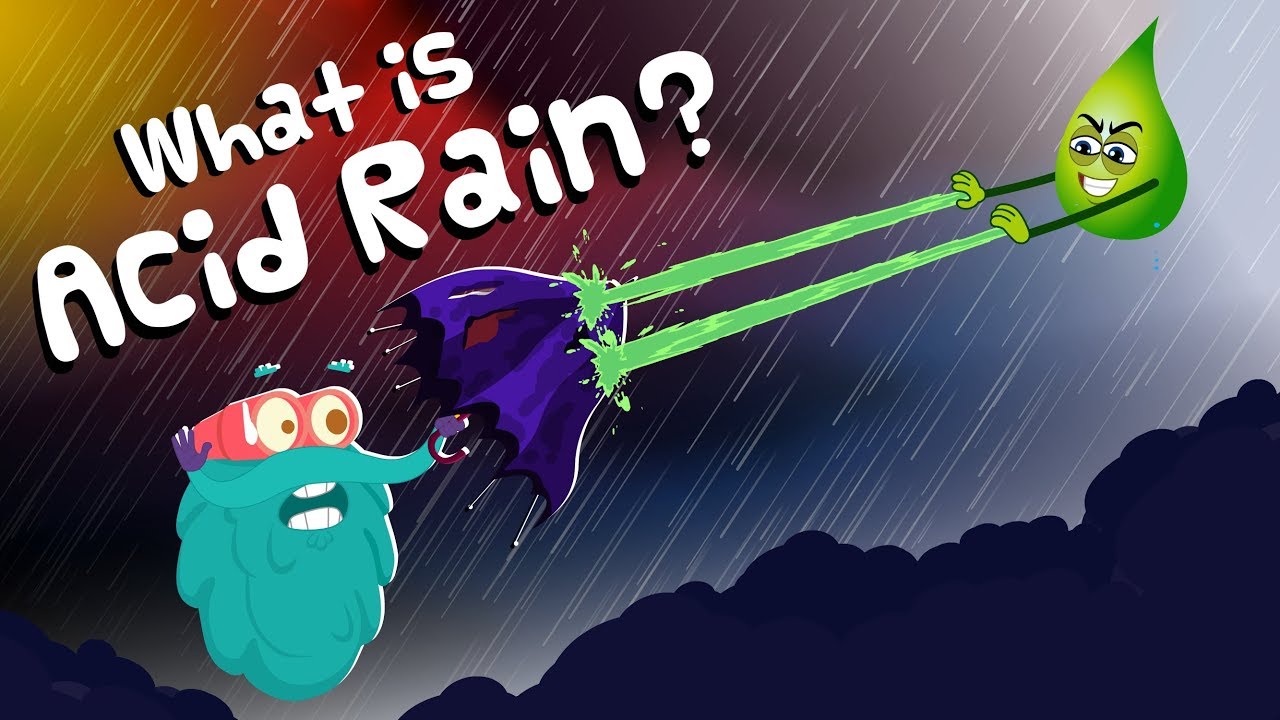
Image taken from the YouTube channel Peekaboo Kidz , from the video titled What is ACID RAIN? | Acid Rain | Dr Binocs Show | Kids Learning Video | Peekaboo Kidz .
Acid rain, a term often relegated to textbook definitions, represents a far more insidious environmental threat than many realize. It’s a phenomenon rooted in atmospheric chemistry, specifically the presence of Sulfur Dioxide (SO2) and Nitrogen Oxides (NOx). These compounds, primarily released through human activities, undergo transformations in the atmosphere, leading to precipitation with elevated levels of acidity.
But what exactly is acid rain? At its core, it’s precipitation – rain, snow, sleet, or fog – that is significantly more acidic than normal. The benchmark for "normal" is a pH of around 5.6; acid rain typically registers lower. This increased acidity is due to the absorption of SO2 and NOx, which react with water, oxygen, and other chemicals to form sulfuric and nitric acids.
The sources of these pollutants are diverse. Coal-fired power plants are a major culprit, as the burning of coal releases substantial quantities of SO2. Automobile emissions, particularly in urban areas, contribute significantly to NOx levels. Industrial processes, such as smelting, also play a role.
Beyond the Obvious: The Hidden Costs of Acid Rain
While the corrosive effects of acid rain on buildings and monuments are well-documented, the ecological consequences are often overlooked. Acid rain is not merely a cosmetic issue; it’s a pervasive environmental stressor with far-reaching impacts.
The reality is that acid rain inflicts damage across multiple ecological fronts. Its influence extends far beyond etching stone structures; it silently dismantles the intricate web of life that sustains our planet.
Core Impacts: A Roadmap
This analysis will delve into three core, often underestimated impacts of acid rain:
-
The Devastating Impact on Aquatic Ecosystems: Acid rain acidifies lakes and rivers, disrupting aquatic life, altering delicate food webs, and unleashing the toxic effects of aluminum.
-
The Silent Degradation of Soil and Vegetation: Acid rain weakens ecosystems at their foundation. It leaches essential nutrients from the soil, weakening forests and plant life, and contributing to widespread deforestation.
-
The Cascading Ecological Consequences: The damage caused by acid rain does not stop at individual ecosystems. It sets off ripple effects. These destabilize entire ecological communities and threaten biodiversity.
Beyond the Obvious: The Hidden Costs of Acid Rain
While the corrosive effects of acid rain on buildings and monuments are well-documented, the ecological consequences are often overlooked. Acid rain is not merely a cosmetic issue; it’s a pervasive environmental stressor with far-reaching impacts.
The reality is that acid rain inflicts damage across multiple ecological fronts. Its influence extends far beyond etching stone structures; it silently dismantles the intricate web of life that sustains our planet. But where does the damage begin? The answer lies in our aquatic ecosystems.
Effect 1: The Devastating Impact on Aquatic Ecosystems
Acid rain’s most immediate and perhaps most devastating impact is on aquatic ecosystems. Lakes, rivers, and streams, the lifeblood of countless species, are rendered increasingly hostile by its acidic touch. The ramifications extend far beyond simply making the water unpleasant; they unravel the delicate balance that sustains aquatic life.
The Acidification Process
Acid rain directly acidifies bodies of water. This acidification occurs as rainwater containing sulfuric and nitric acids flows into lakes and rivers. The result is a gradual reduction in the water’s pH level.
Many aquatic organisms are highly sensitive to pH changes. Even slight deviations from the optimal range can cause significant stress. Over time, acidification can lead to widespread mortality and ecosystem collapse.
Impacts on Fish Populations and Aquatic Life
The consequences of acidification are particularly dire for fish populations. Acidic conditions interfere with their ability to extract oxygen from the water. It also disrupts their reproductive cycles.
Many fish species, such as trout and salmon, are particularly vulnerable to even slight increases in acidity. As pH levels drop, these species experience reduced hatching rates and increased mortality among young fish.
Beyond fish, a wide range of other aquatic organisms suffers. Insects, crustaceans, and mollusks are all susceptible to the toxic effects of acidified water. The decline of these species disrupts the food chain, impacting larger predators.
The Amphibian Predicament
Amphibians, often considered bellwethers of environmental health, are acutely affected by acid rain. Their permeable skin makes them highly vulnerable to changes in water quality.
Acidification disrupts amphibian development and reproduction. Eggs are particularly sensitive, often failing to hatch in acidic waters. Tadpoles, too, suffer from stunted growth and increased mortality rates.
The decline of amphibian populations has far-reaching consequences. They play a crucial role in controlling insect populations and serving as a food source for other animals. Their loss disrupts the delicate balance of the ecosystem.
The Aluminum Toxicity Factor
The acidification of water bodies also triggers the release of aluminum from surrounding soils and sediments. Aluminum, in its dissolved form, is highly toxic to aquatic life.
Acidic water leaches aluminum ions from the soil into lakes and rivers. These aluminum ions can damage fish gills, impairing their ability to breathe. It also disrupts their osmoregulation, leading to a fatal imbalance of salts and fluids.
Aluminum toxicity exacerbates the harmful effects of acidification. It creates a synergistic effect that further stresses aquatic organisms.
EPA’s Regulatory Role
The Environmental Protection Agency (EPA) plays a critical role in monitoring and maintaining water quality standards. It sets limits on pollutants, including those that contribute to acid rain.
The EPA also conducts research and provides guidance to states and local communities on how to reduce emissions and protect aquatic ecosystems. Its efforts are essential for mitigating the harmful effects of acid rain.
The EPA also enforces regulations aimed at reducing emissions from power plants and other industrial sources. These regulations have led to significant reductions in SO2 and NOx emissions. This contributes to improved water quality in many areas.
Effect 2: The Silent Degradation of Soil and Vegetation
The insidious nature of acid rain extends beyond aquatic environments, inflicting substantial damage upon terrestrial ecosystems. Its impact on soil and vegetation is a slow-burning crisis, undermining the health and resilience of forests and plant life. This silent degradation has far-reaching implications for overall environmental health and stability.
Nutrient Leaching: The Soil’s Silent Starvation
Acid rain accelerates the process of nutrient leaching from the soil. The acidic deposition mobilizes essential minerals and nutrients, such as calcium, magnesium, and potassium, washing them away. These nutrients are vital for plant growth and overall ecosystem health.
The loss of these critical elements weakens the soil’s capacity to support healthy vegetation. This leaching process effectively starves plants, making them more vulnerable to various environmental stressors. The disruption of soil chemistry destabilizes the entire terrestrial food web.
Impacts on Trees and Plant Life: A Slow Decline
The direct consequences of acid rain on trees and plants are manifold. Acidic deposition damages leaves, hindering their ability to photosynthesize efficiently. Reduced photosynthetic capacity leads to weakened growth, stunted development, and decreased resilience.
Furthermore, acid rain increases the vulnerability of plants to diseases, pests, and harsh weather conditions. Stressed trees are less able to defend themselves against pathogens and insects, resulting in increased mortality. The cumulative effect is a gradual decline in the overall health and vigor of forests and other plant communities.
Air Pollution: The Root Cause
The sources of acid rain, primarily coal-fired power plants and automobile emissions, underscore the pervasive issue of air pollution. The release of sulfur dioxide (SO2) and nitrogen oxides (NOx) into the atmosphere is not just an isolated problem; it represents a broader failure to manage industrial and transportation emissions responsibly.
Addressing acid rain requires a fundamental shift towards cleaner energy sources and stricter emission controls. It also necessitates adopting sustainable transportation practices. Ignoring these critical issues perpetuates the cycle of environmental degradation.
Acid Rain and Deforestation: A Destructive Synergy
Acid rain exacerbates the already critical problem of deforestation, contributing to forest decline and habitat loss. Weakened trees are more susceptible to disease and environmental stressors, accelerating the rate of forest degradation. The synergistic effect of acid rain and deforestation can lead to significant and irreversible ecological damage.
Deforestation not only reduces biodiversity and habitat availability but also diminishes the capacity of forests to absorb carbon dioxide, further contributing to climate change. Addressing acid rain and deforestation requires a holistic approach. This approach integrates sustainable forestry practices, pollution control measures, and proactive ecosystem restoration efforts.
The damage inflicted by acid rain doesn’t stop at acidified lakes or weakened forests. It sets off a chain reaction, a series of ecological consequences that reverberate throughout entire ecosystems. Understanding these cascading effects is crucial to grasping the true scope of acid rain’s destructive potential.
Effect 3: The Cascading Ecological Consequences
The initial damage caused by acid rain to aquatic ecosystems, soil health, and forests doesn’t exist in a vacuum. Instead, it creates a cascading effect throughout the food chain and other ecological relationships. This ripple effect has long-term implications for overall biodiversity and ecosystem stability.
Disruptions in the Food Chain
Acid rain’s impact on the base of the food chain has profound consequences for organisms higher up. Consider aquatic ecosystems:
-
Acidification decimates populations of sensitive insects and crustaceans.
-
These organisms are a primary food source for fish.
-
Declining insect populations lead to decreased fish populations.
-
This reduction then impacts the birds and mammals that rely on fish as a food source.
Similarly, the degradation of forests weakens the entire terrestrial food web:
-
Nutrient-depleted soils reduce plant growth.
-
Herbivores that feed on these plants struggle to survive.
-
Predators that rely on herbivores face food shortages.
This interconnectedness means that the initial damage inflicted by acid rain at one level can trigger a collapse at multiple levels.
Long-Term Implications for Biodiversity and Ecosystem Stability
The long-term implications of acid rain extend far beyond individual species. It threatens overall biodiversity and ecosystem stability. As sensitive species disappear, the genetic diversity within ecosystems diminishes. This loss of diversity makes ecosystems more vulnerable to future environmental changes and less resilient to disturbances.
Acid rain can also alter the composition of plant communities. Acid-tolerant species may thrive in degraded soils, while more sensitive species disappear. This shift can lead to a simplification of the ecosystem. A simplified ecosystem is less capable of providing the diverse array of services that a healthy ecosystem offers, such as:
- Water purification
- Carbon sequestration
- Pollination
The potential for irreversible damage is a real concern. In some cases, ecosystems may reach a tipping point where they are unable to recover, even if acid rain is reduced.
The EPA’s Role in Mitigation and Restoration
The Environmental Protection Agency (EPA) plays a vital role in mitigating the effects of acid rain and restoring damaged ecosystems. The EPA’s Acid Rain Program, established under the Clean Air Act Amendments of 1990, has been instrumental in reducing SO2 and NOx emissions from power plants.
However, the work is far from over. The EPA continues to:
- Monitor air and water quality.
- Conduct research on the effects of acid rain.
- Implement regulations to further reduce emissions.
Restoring damaged ecosystems is a long and challenging process:
-
It often involves liming acidified lakes and streams to neutralize acidity.
-
Reforestation efforts can help to restore degraded forests.
-
Protecting and restoring wetlands can help to filter pollutants and improve water quality.
The EPA also works with states and other stakeholders to develop and implement strategies for managing acid rain and protecting the environment. Success depends on continued commitment to reducing emissions, restoring damaged ecosystems, and promoting sustainable practices.
Acid Rain’s Hidden Toll: Frequently Asked Questions
Here are some common questions about acid rain and its impact, shedding light on the surprising effects discussed in our article.
What exactly is acid rain?
Acid rain is precipitation that is unusually acidic, meaning it has elevated levels of hydrogen ions (low pH). It’s caused by emissions of sulfur dioxide and nitrogen oxides, which react with water molecules in the atmosphere. This creates sulfuric and nitric acids, which fall to earth as rain, snow, sleet, or fog.
How does acid rain harm forests?
Acid rain leaches essential nutrients like calcium and magnesium from the soil, weakening trees and making them more vulnerable to disease, insect infestations, and harsh weather. One of the 3 effects acid rain has on the land and aquatic life is damage to forest ecosystems. The acidic deposition also releases aluminum into the soil, which is toxic to plants.
What are the effects of acid rain on lakes and rivers?
Acid rain acidifies lakes and rivers, making it difficult for fish and other aquatic organisms to survive. Many species cannot tolerate acidic conditions. This also affects the entire food chain within the aquatic ecosystem. Another of the 3 effects acid rain has on the land and aquatic life is the acidification of bodies of water.
Is acid rain only a problem near industrial areas?
While industrial areas with high emissions of sulfur dioxide and nitrogen oxides are often the primary source of acid rain, the pollutants can travel long distances through the atmosphere. This means that the 3 effects acid rain has on the land and aquatic life can be felt far from the source of the pollution, impacting remote areas and ecosystems.
So there you have it – 3 effects acid rain have on the land and aquatic life laid bare! Hopefully, you found that helpful and a little less doom-and-gloom. Let’s all do our part to make a difference, even in small ways. Catch you in the next one!
